



Over 20,000 km² of hills, woodland and sand rivers.
Home to some of the largest lion prides in Africa.
Dry season, when wildlife crowds the Great Ruaha River.
A light-aircraft flight from Dar es Salaam, Zanzibar, Arusha or Nyerere.
About Ruaha National Park
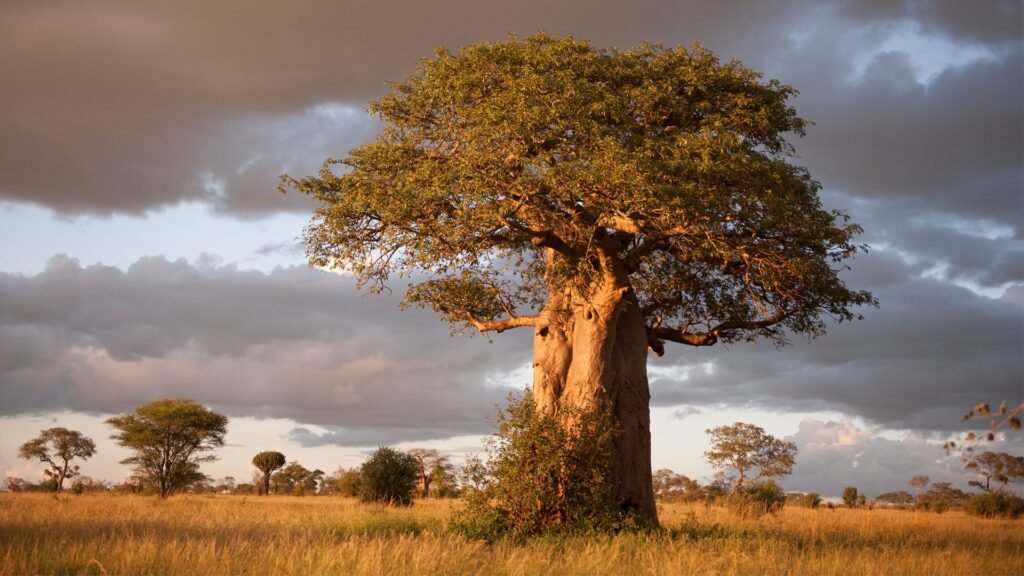
Ruaha National Park is one of the largest and wildest national parks in Tanzania, covering more than 20,000 km² of central-southern Tanzania. Its rugged landscape of rocky hills, baobab-studded plains, miombo woodland and dry sand rivers feels remote and untouched, and it receives only a fraction of the visitors who go to the Serengeti.
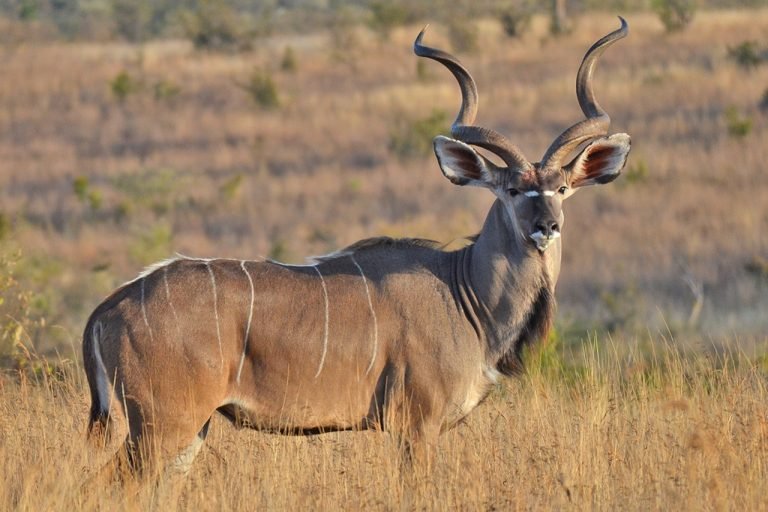
The park is named after the Great Ruaha River, which runs along its eastern edge and is the focus of life in the dry season. Ruaha sits where the wildlife of East and Southern Africa meet, so species that are rare elsewhere in Tanzania, such as sable antelope, roan antelope and greater kudu, live here alongside the familiar animals of the Northern Circuit.
For experienced safari-goers, Ruaha is often the highlight of Tanzania: a place of huge predator populations, dramatic scenery and real solitude, where a sighting is usually yours alone.
Where is Ruaha National Park?
Ruaha lies in central-southern Tanzania, about 130 km west of the town of Iringa. The main safari area is in the east of the park, along the Great Ruaha River near the park headquarters at Msembe.
Most guests fly in by light aircraft, which takes around two hours from Dar es Salaam, Zanzibar or Arusha, and about an hour and a half from Nyerere National Park. It is also possible to drive from Iringa in around three hours, or from Dar es Salaam in a long day, often with a stop at Mikumi National Park on the way.
The lions of Ruaha
Ruaha is one of Africa's great lion strongholds. The wider Ruaha landscape is thought to hold a significant share of the continent's remaining lions, and prides of fifteen or twenty are not unusual. Watching them hunt buffalo or giraffe along the riverbeds is one of the most powerful sights of any Tanzania safari.
The park also has healthy numbers of leopard and cheetah, as well as spotted hyena and the endangered African wild dog. With so many predators and so few vehicles, Ruaha is a superb destination for anyone who wants to watch predator behaviour closely and patiently.
Elephants, antelope and birds
Ruaha has one of the largest elephant populations in East Africa, and in the dry season herds gather along the Great Ruaha River and dig for water in the dry sand rivers. Buffalo, giraffe, zebra, impala and waterbuck are common, while hippos and crocodiles fill the river pools.
Antelope lovers will find a rare variety here. Ruaha is one of the few parks in Tanzania where you can see both greater and lesser kudu, along with sable and roan antelope in the miombo woodland, and Grant's gazelle on the open plains.
More than 570 bird species have been recorded in the park, including species from both East and Southern Africa. The green season, from November to April, is especially rewarding for birdwatchers.
Things to do in Ruaha
Game drives along the Great Ruaha River and its tributaries, such as the Mwagusi Sand River, are the heart of a Ruaha safari. Morning drives follow the predators as they finish hunting, while afternoon drives often end with a sundowner on a rocky kopje overlooking the valley.
Several camps offer walking safaris with an armed ranger, a wonderful way to explore the riverbeds and woodland on foot, and some offer fly camping in remote corners of the park. Because Ruaha is so large and quiet, you can spend a whole day exploring and see only a handful of other vehicles.
Photographers love Ruaha for its baobabs, dramatic light and uncrowded sightings, and many camps have hides overlooking waterholes for close encounters with elephants and other animals.
Camps and lodges in Ruaha
Accommodation in Ruaha is mostly in small, intimate tented camps, many of them set along the Great Ruaha or the Mwagusi Sand River. Some are simple and authentic bush camps, others offer a high level of comfort, but all put you close to the wildlife.
Because the park is remote, almost every stay is on a full-board basis with game activities included. We recommend a camp that suits your budget and interests, from walking safaris to photography, and plan the flights between Ruaha, Nyerere and Zanzibar for you.
Combining Ruaha with Nyerere and Zanzibar
Ruaha and Nyerere together make the classic southern Tanzania safari. Ruaha offers big predators, rugged landscapes and rare antelope, while Nyerere adds boat safaris and the waterways of the Rufiji River. Three or four nights in each, connected by a short flight, is an ideal balance.
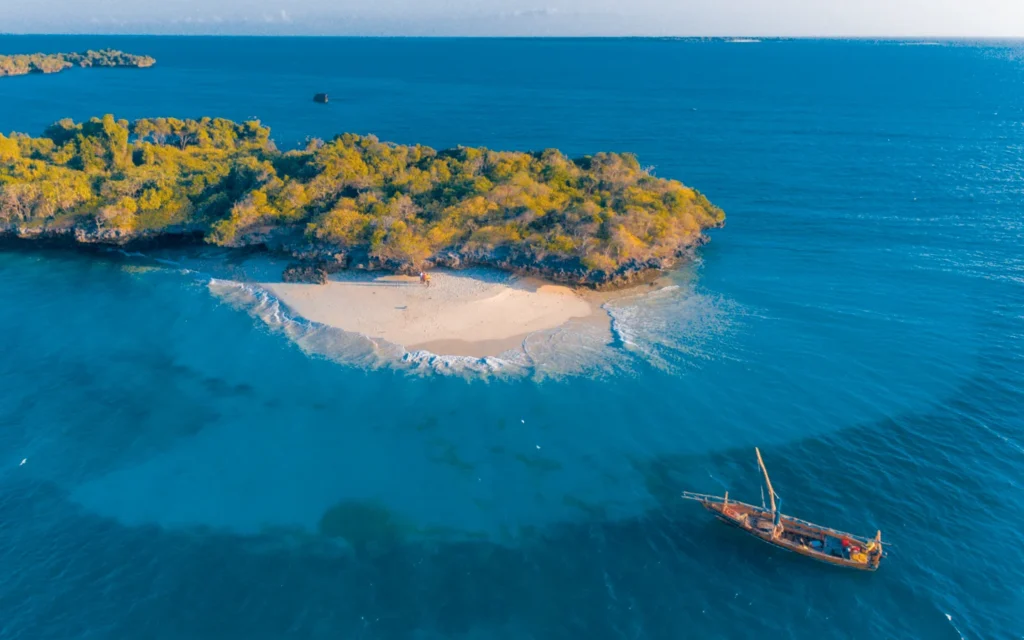
A few nights on Zanzibar at the end make a perfect finish, with daily flights linking the southern parks to the island. For keen safari travellers, Ruaha can also be combined with a Northern Circuit safari for a complete picture of Tanzania.
Best time to visit Ruaha National Park
Ruaha is at its best in the dry season, when wildlife concentrates along the river. The green season brings beautiful landscapes and birdlife, but many camps close during the heaviest rains.
June – October
The dry season. Wildlife gathers along the Great Ruaha River, and predator sightings are at their peak.
November – December
The short rains turn the park green, migrant birds arrive and many animals give birth.
January – February
Warm weather with occasional rain, lush scenery and very few visitors.
March – May
The wettest months. Many camps close and some areas become difficult to reach.
Protecting Ruaha's wildlife
Like many parks in Africa, Ruaha lost a large share of its elephants to poaching in the early 2010s. Improved protection has since helped the population stabilise, and the park remains one of the most important elephant and lion areas in East Africa.
Conservation projects work with the communities around Ruaha to reduce conflict between people and predators, and tourism fees help pay for rangers and local benefits. Choosing a camp that supports these efforts helps keep Ruaha wild.
Ruaha National Park questions
If you have a question we haven't covered, our Tanzania-based team is happy to help, so just ask.
Where is Ruaha National Park?
Ruaha is in central-southern Tanzania, about 130 km west of Iringa. The safari area lies along the Great Ruaha River in the east of the park.
How big is Ruaha National Park?
Ruaha covers more than 20,000 km², making it one of the largest national parks in Tanzania and in Africa.
What is Ruaha National Park famous for?
Ruaha is famous for its large lion prides, big elephant herds, rare antelope such as sable, roan and greater kudu, its baobab landscapes and its remote, uncrowded atmosphere.
When is the best time to visit Ruaha?
June to October is the best time, when wildlife gathers along the river. Many camps close during the long rains from around March to May.
How do you get to Ruaha National Park?
Most guests fly in by light aircraft from Dar es Salaam, Zanzibar, Arusha or Nyerere. You can also drive from Iringa in around three hours.
How many days should I spend in Ruaha?
Three or four nights is ideal, as the park is large and it takes time to explore. Many guests combine it with three nights in Nyerere.
Is Ruaha better than the Serengeti?
They offer different experiences. The Serengeti has the Great Migration and easier access, while Ruaha is wilder and far less crowded, with outstanding predator viewing and rare antelope.
Can you see wild dogs in Ruaha?
Yes, wild dogs live in the Ruaha landscape and are seen from time to time, although sightings are less predictable than in Nyerere.
Can you do a walking safari in Ruaha?
Yes. Several camps offer guided walking safaris with an armed ranger, and some offer fly camping in remote areas of the park.
Is Ruaha a good park for a first safari?
Ruaha suits first-time visitors who want a quiet, wild experience, but it is especially rewarding for travellers who have already been on safari and want somewhere less crowded.