

A wide wilderness of savannah, swamp and woodland, named after its river.
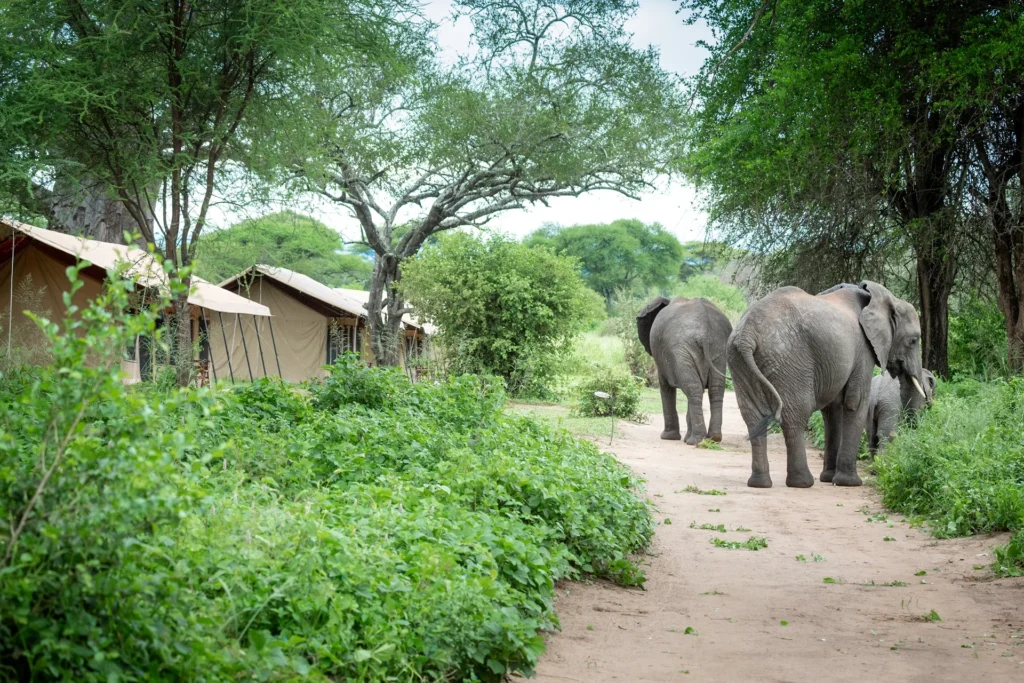
One of the largest concentrations of elephants in northern Tanzania.
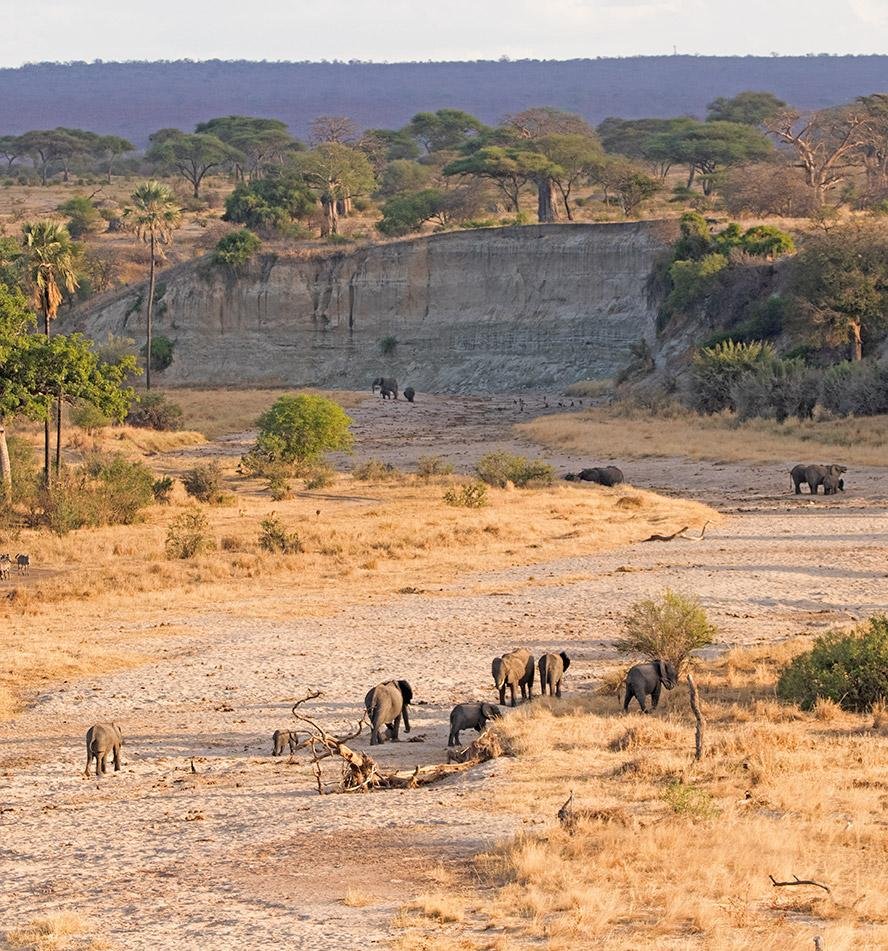
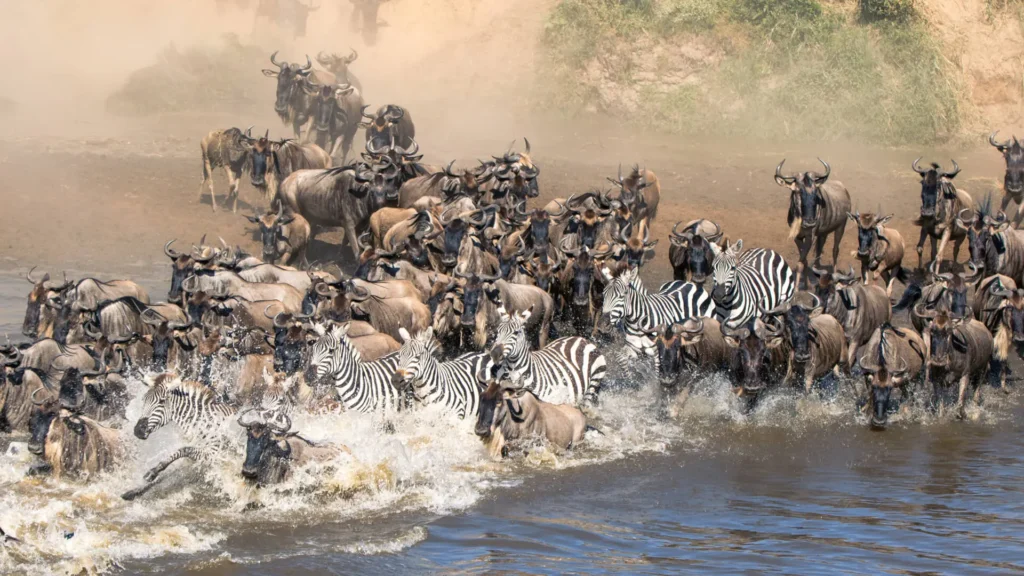
The dry season, when animals gather along the river in their thousands.
About two hours by road from Arusha, on the way to Ngorongoro and the Serengeti.
About Tarangire National Park
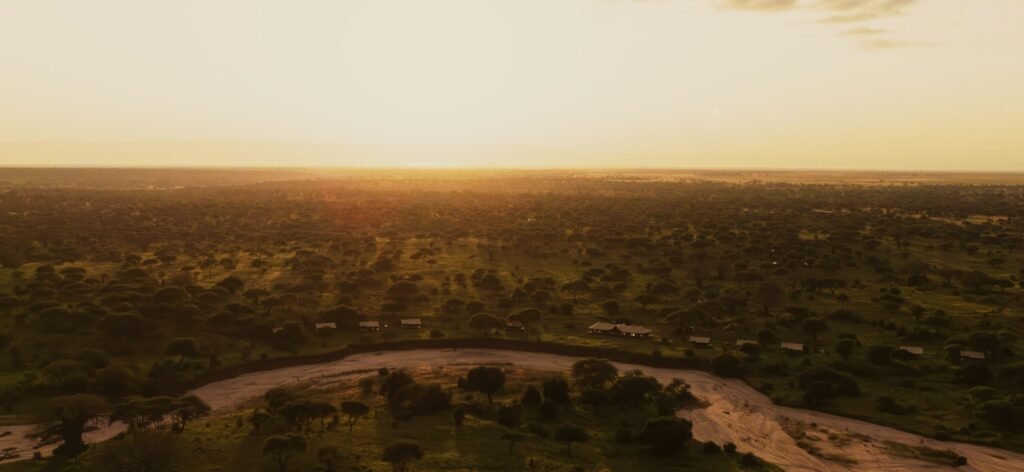
Tarangire National Park lies in northern Tanzania, about 120 km south-west of Arusha. It covers some 2,850 km² of rolling savannah, acacia woodland and seasonal swamps, and takes its name from the Tarangire River, which flows north through the park before draining into Lake Burungi.
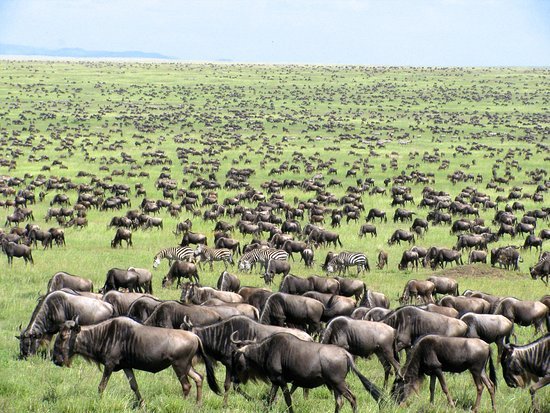
For much of the year Tarangire is a quiet, green park with wildlife spread across a much larger ecosystem. But as the land dries out from June, the river becomes the only reliable water for miles around. Elephants, buffalo, zebra, wildebeest and gazelle move in from the surrounding plains, and for a few months the park holds one of the highest concentrations of wildlife in Tanzania.
Tarangire is often the first park on a Northern Tanzania safari. It is close to Arusha, it is never as busy as the Serengeti or the Ngorongoro Crater, and its giant baobabs and huge elephant herds give it a character quite unlike any other park in the country.
Where is Tarangire National Park?
Tarangire is in the Manyara Region of northern Tanzania, just south of the main road from Arusha to Ngorongoro and the Serengeti. The main entrance, close to the small town of Kwa Kuchinja, is about 118 km from Arusha, a drive of around two hours on a tarmac road.
Because it sits right on the Northern Circuit, Tarangire fits easily into almost any itinerary. Most guests spend one or two nights here at the start of their safari, then continue to Lake Manyara, the Ngorongoro Crater and the Serengeti. There is also an airstrip for light aircraft, which makes it easy to fly in from the Serengeti or Arusha.
The elephants of Tarangire
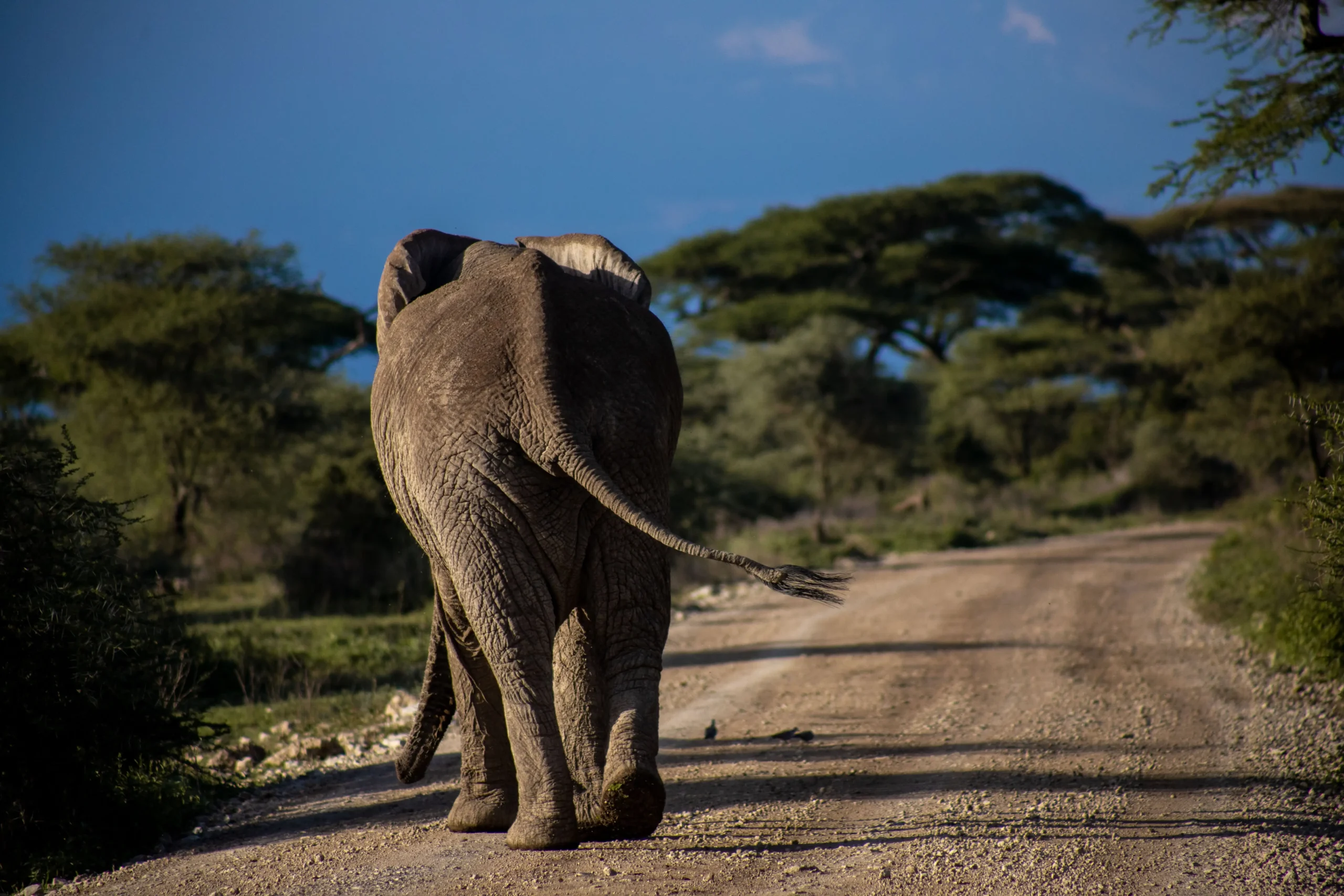
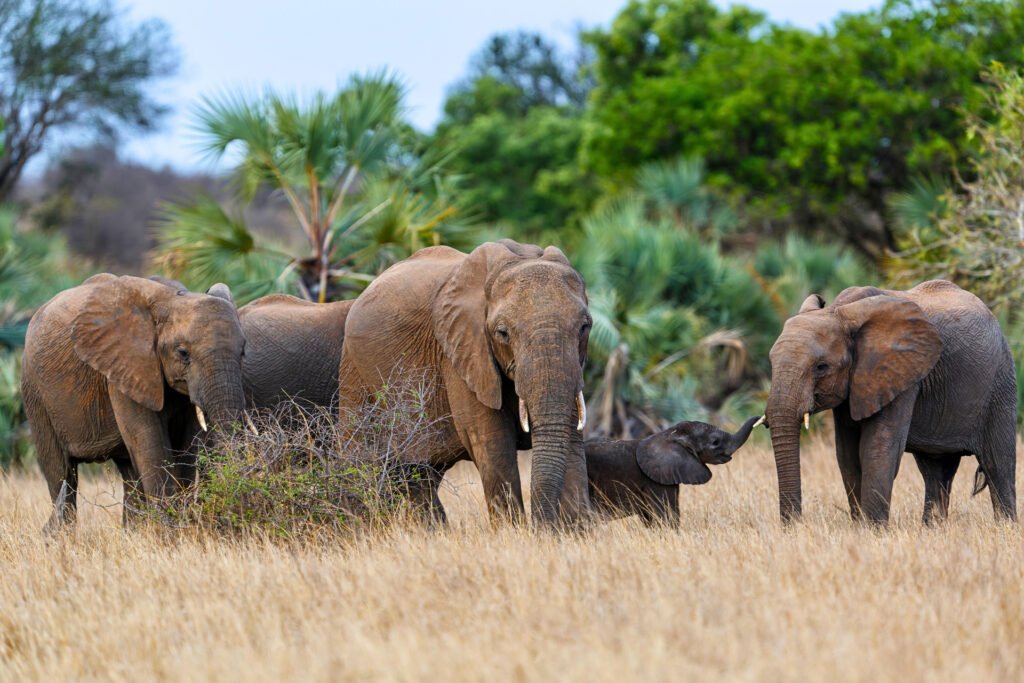
Tarangire is famous above all for its elephants. In the dry season it is common to see family herds of a hundred or more crossing the river, digging into the dry sand for water or shading beneath the baobabs. Few places in Africa let you spend so much time with elephants at such close range.
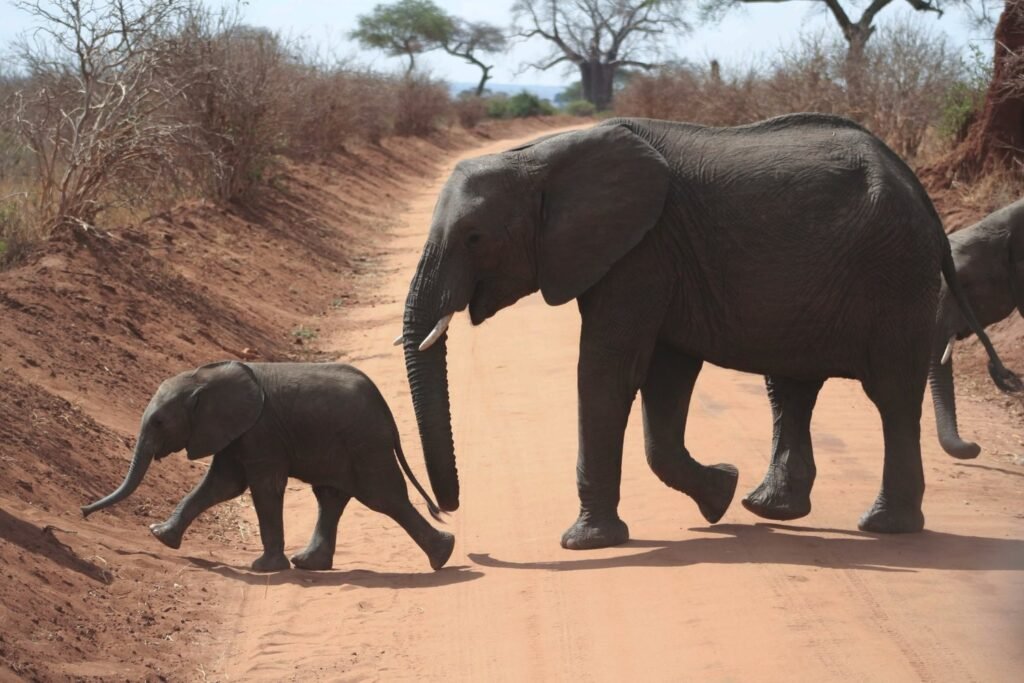
The park's elephants have been studied for decades, and many of the family groups are known individually. Their numbers recovered strongly after the poaching crisis of the 1980s, and today Tarangire is one of the best places in East Africa to watch elephant behaviour, from young calves learning to use their trunks to old bulls feeding on baobab bark.
Elephants are here all year, but the herds are at their largest from July to October, when they gather along the river and in the Silale Swamp.
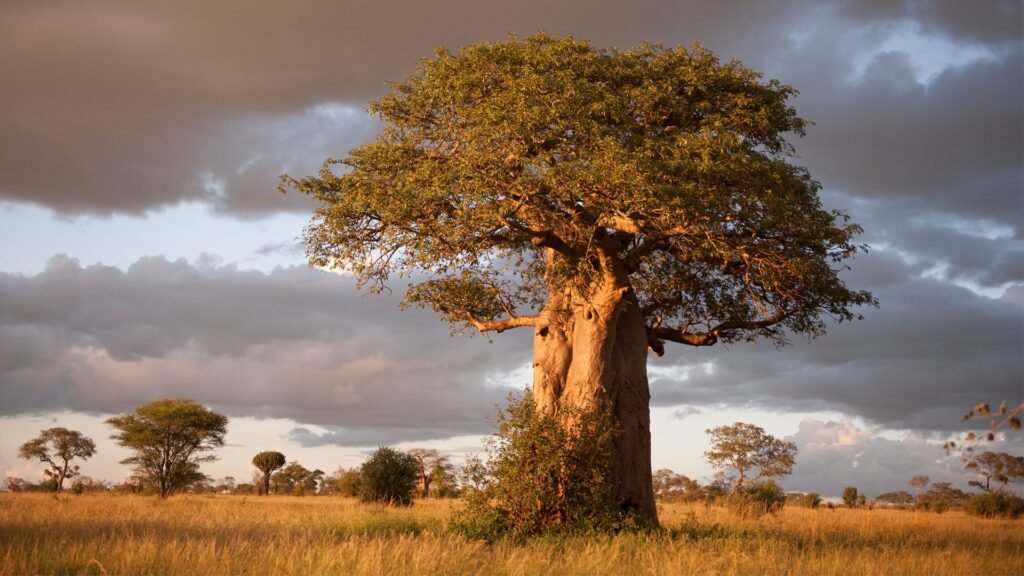
The land of giant baobabs
Tarangire's baobab trees are among the most striking sights in Tanzania. Some are thought to be many hundreds of years old, with trunks wide enough to shelter an elephant. They store water in their soft, fibrous wood, and in the dry season elephants strip their bark to reach it, leaving deep scars on the trunks. In the north of the park, around Lemiyon, the baobabs stand alone on open plains, creating classic African scenes at sunrise and sunset.
See Tarangire safaris →What animals can you see in Tarangire?
Beyond the elephants, Tarangire supports a remarkable variety of wildlife. Buffalo, zebra, wildebeest, giraffe, impala and warthog are common, and the park is one of the best places in northern Tanzania to see dry-country species such as the fringe-eared oryx, lesser kudu and gerenuk, which are rare on the rest of the Northern Circuit.
Lions are seen regularly, and some prides are known to climb trees. Leopards hide in the riverine woodland, cheetahs hunt on the open plains, and wild dogs pass through occasionally. Pythons are sometimes found resting in the branches of trees near the swamps.
Tarangire is also excellent for birds, with more than 550 species recorded, from ostriches and kori bustards on the plains to yellow-collared lovebirds and the colourful hornbills of the woodland. Birdlife is at its best in the green season, when migrant species arrive from Europe and Asia.
Things to do in Tarangire
Game drives are the heart of a Tarangire safari. Early mornings along the river and late afternoons in the baobab country are the most rewarding, and a full day lets you reach the quieter south of the park around the Silale Swamp.
Outside the national park, the wildlife areas that border Tarangire offer experiences that are not allowed inside. You can take guided walking safaris with an armed ranger, learning to read tracks and identify plants, and go on night drives to look for nocturnal animals such as genets, bush babies and aardvarks.
Other highlights include bush breakfasts and sundowners in the shade of a baobab, and visits to nearby Maasai and Barabaig communities. A night or two in a lodge on the park's edge gives you time to enjoy all of these at a relaxed pace.
Lodges and camps in Tarangire
Tarangire has a good choice of places to stay, from tented camps inside the park, close to the river and the elephant herds, to lodges on the ridges outside its boundary with views across the plains. Camps inside the park put you closest to the wildlife from the first light of day, while those in the surrounding wildlife areas allow walking safaris and night drives. We match the lodge to your budget and route, from comfortable mid-range camps to intimate luxury lodges.
Browse our lodges and camps →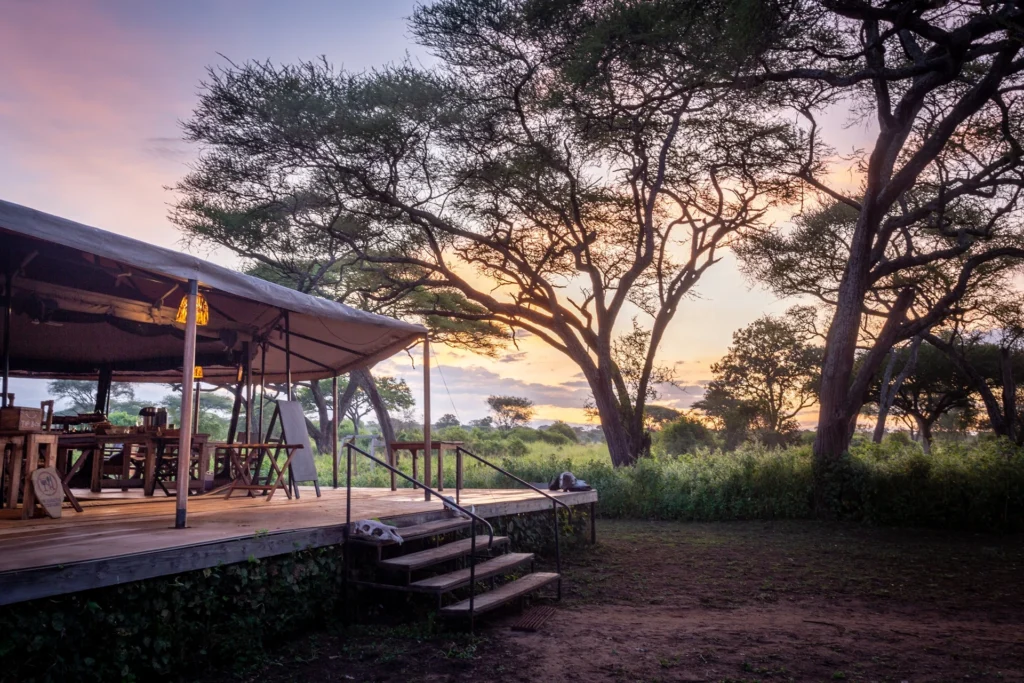
Combining Tarangire with other parks
Tarangire is easy to combine with the rest of the Northern Circuit. A classic safari begins with two nights in Tarangire, continues with a night near Lake Manyara or in the Karatu highlands for the Ngorongoro Crater, and ends with three or more nights in the Serengeti.
Because the park is busiest with wildlife when the Serengeti's Great Migration is in the north, Tarangire is a superb partner for a dry-season migration safari. In the green season it pairs well with the calving herds of Ndutu and the southern Serengeti.
Best time to visit Tarangire
Tarangire is open all year, but the season changes the experience completely. The dry months bring the largest herds to the river, while the green season is quieter, cheaper and wonderful for birds.
June – October
The peak dry season. Wildlife gathers along the river in huge numbers, and elephant herds are at their largest.
November – December
The first rains turn the park green and many animals disperse, but birdlife is excellent and visitors are few.
January – February
A short dry spell with lush landscapes, newborn animals and good game viewing at lower rates.
March – May
The wettest months. Some roads become muddy and a few camps close, but the park is beautifully quiet.
Protecting Tarangire's wildlife
Tarangire's wildlife depends on far more than the park itself. In the wet season many animals leave the park to graze on the Simanjiro plains and in the surrounding community lands, then return to the river as the land dries. Keeping these migration routes open is one of the biggest conservation challenges in northern Tanzania.
Community wildlife areas around the park, where local villages earn income from tourism, play a vital part in protecting these corridors. Staying in a lodge that supports them is one of the most direct ways your safari can help.
Tarangire National Park questions
If you have a question we haven't covered, our Tanzania-based team is happy to help, so just ask.
What is Tarangire National Park famous for?
Tarangire is famous for its large elephant herds, its giant baobab trees and the dry-season gathering of wildlife along the Tarangire River. It is also one of the best places in northern Tanzania for birdwatching.
Where is Tarangire National Park located?
Tarangire is in the Manyara Region of northern Tanzania, about 118 km south-west of Arusha. It lies just off the main road to the Ngorongoro Crater and the Serengeti.
How big is Tarangire National Park?
The park covers about 2,850 km², and its wildlife roams across a much larger ecosystem that includes the Simanjiro plains and the surrounding community lands.
How many elephants are in Tarangire National Park?
Several thousand elephants use the Tarangire ecosystem, and herds of a hundred or more are common along the river in the dry season. Numbers in the park itself vary with the seasons.
When is the best time to visit Tarangire?
June to October is the best time, when wildlife concentrates along the river. November to May is greener and quieter, with excellent birdwatching and lower rates.
How many days do you need in Tarangire?
One full day is enough to see the highlights, but two nights let you explore the quieter south of the park and enjoy a walk or night drive outside its boundary.
How far is Tarangire from Arusha?
The main gate is about 118 km from Arusha, roughly a two-hour drive on a tarmac road. You can also fly in to the park's airstrip.
Can you see lions in Tarangire?
Yes. Lions are seen regularly, and some prides are known for climbing trees. Leopards, cheetahs and the occasional pack of wild dogs are also found in the park.
Is Tarangire worth visiting?
Absolutely. It offers some of the best elephant viewing in Africa, landscapes unlike any other Tanzanian park and far fewer vehicles than the Serengeti or the Ngorongoro Crater.
Can you do a walking safari in Tarangire?
Walking safaris take place in the wildlife areas bordering the park, with an armed ranger and an experienced guide. Night drives are offered there too.
Is Tarangire better than Lake Manyara?
They are different. Tarangire is larger, with more elephants and wilder landscapes, while Lake Manyara is smaller, with forest, a soda lake and flamingos. Many safaris visit both.